Guide
Cross-Contamination at the Buffet: 12 Rules for Eating Safely at an All-Inclusive Hotel
For someone with coeliac disease, the open buffet is both the biggest convenience and the biggest risk. Here are 12 practical rules for managing it.
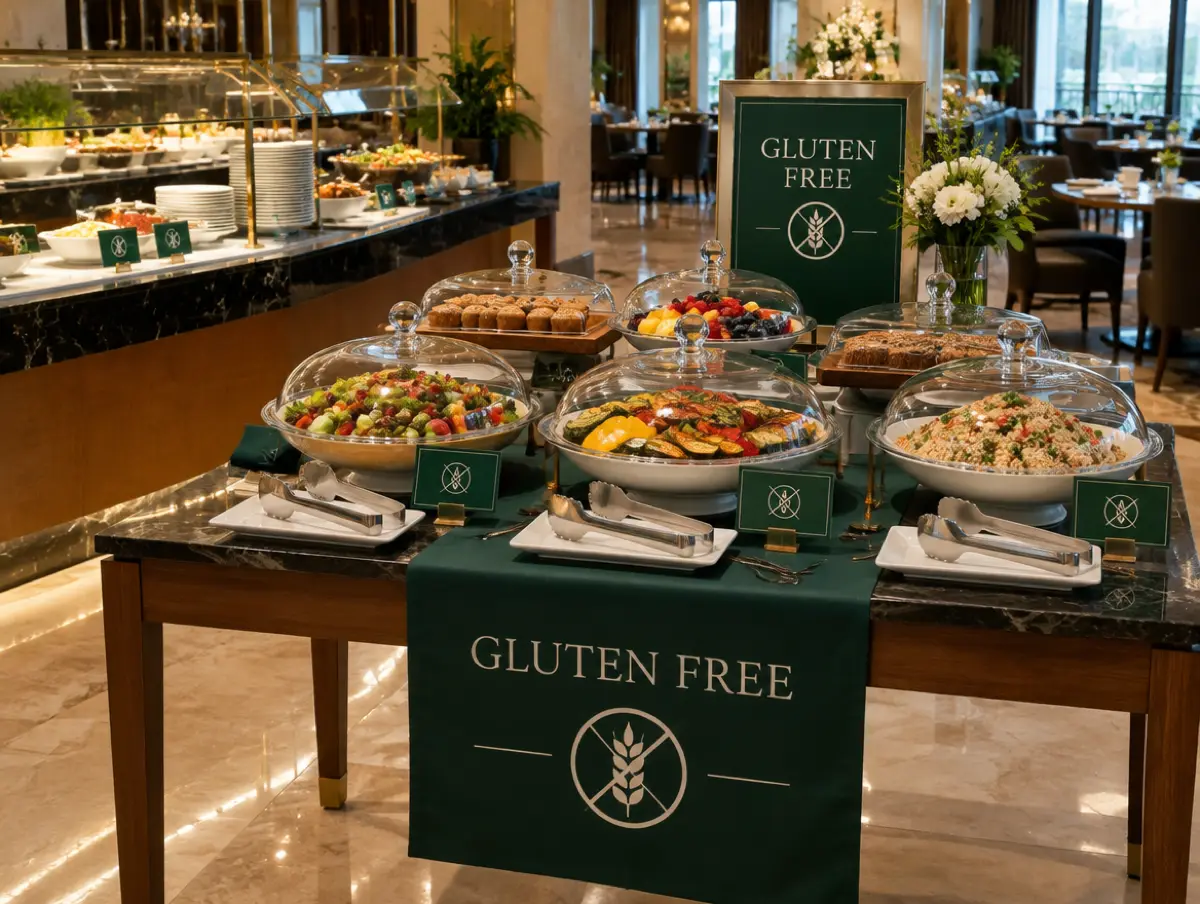
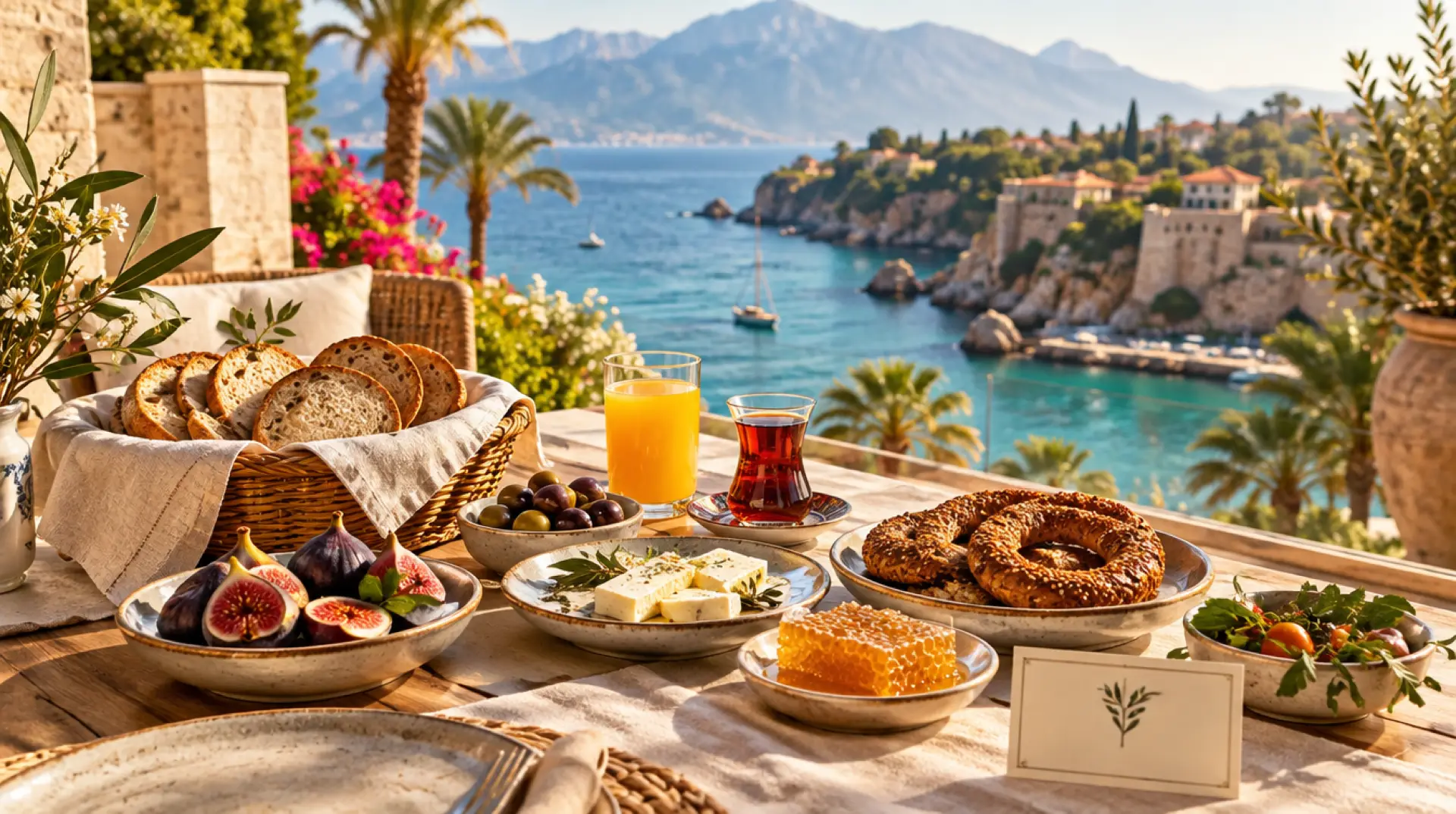
In Turkey, all-inclusive is close to the default way to holiday. For someone with coeliac disease that is a real comfort on the one hand (you don’t have to hunt for food at every meal) and a serious risk on the other. An open buffet is a place where hundreds of guests share the same tongs, the same ladles and the same counters.
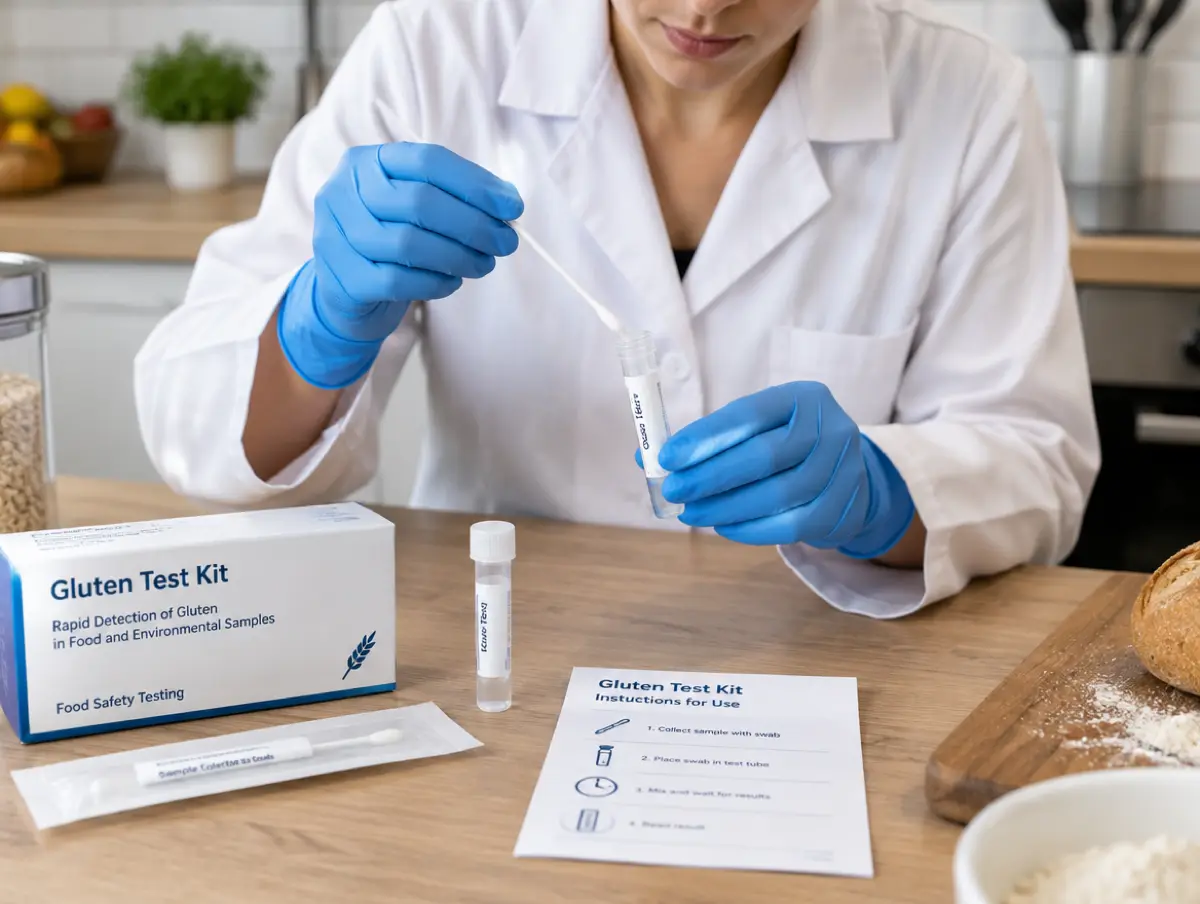
Cross-contamination happens when gluten-free food comes into direct or indirect contact with food that contains gluten. In coeliac disease, very small amounts can be enough to trigger damage to the gut. That is why eating from a buffet calls for a strategy.
Before you go to the buffet
1. Meet the chef on your first evening
On the day you arrive, ask reception for the person responsible for gluten-free service. Five minutes with the chef can change the rest of your holiday. You will find out first-hand which dishes are made gluten-free and which ones are risky.
2. Ask for your plate to be prepared in the kitchen
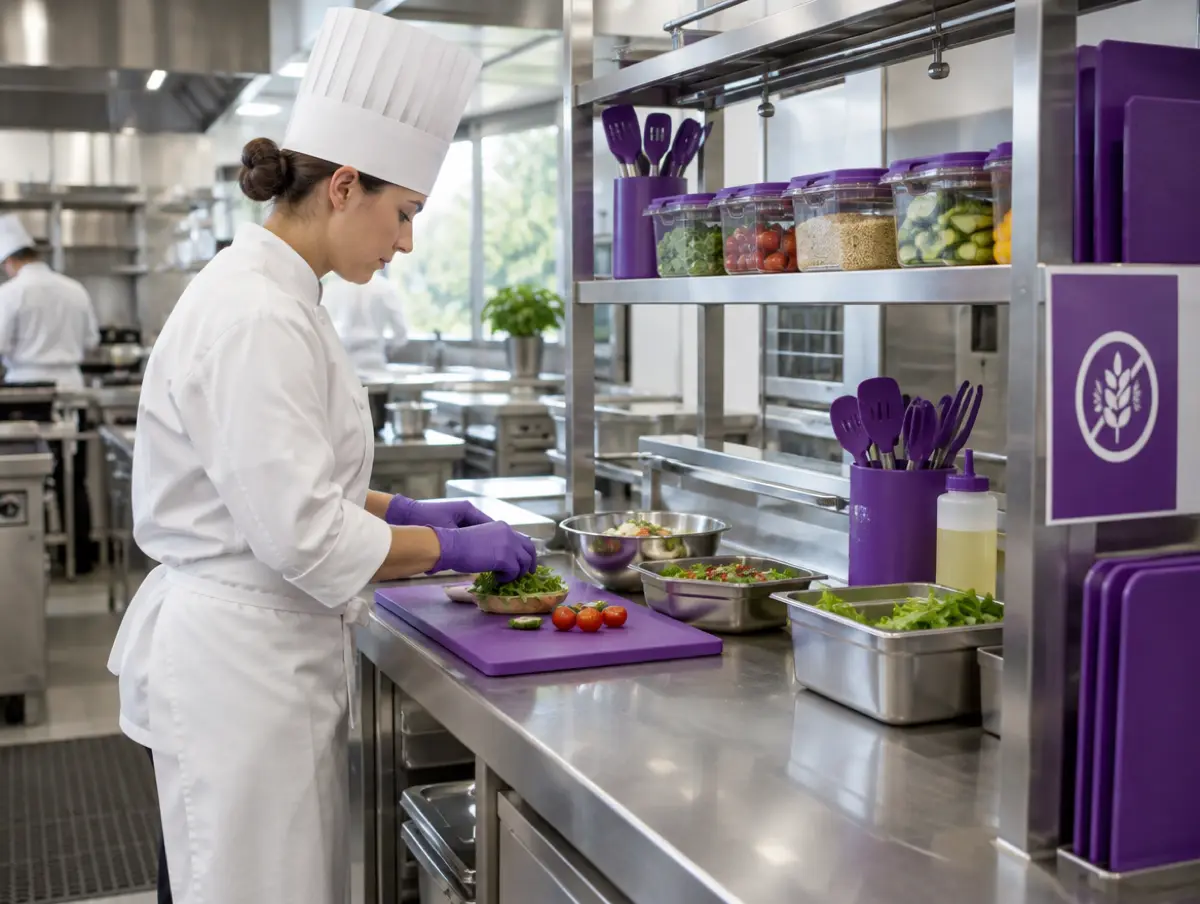
In well-run hotels this is possible: buffet dishes are plated for you in the kitchen, taken from the main containers before anyone has touched them, and brought to you covered. This all but removes the buffet risk.
3. Get to the buffet early
As soon as service starts, the dishes are still untouched. The busier it gets, the more likely it is that tongs get swapped around and crumbs get spilled.
At the buffet
4. The tongs rule
If the tongs for one dish are sitting in or next to another dish, treat that dish as risky. Good hotels give gluten-free items their own tongs in a different colour.
5. Keep away from the bread and pastry area
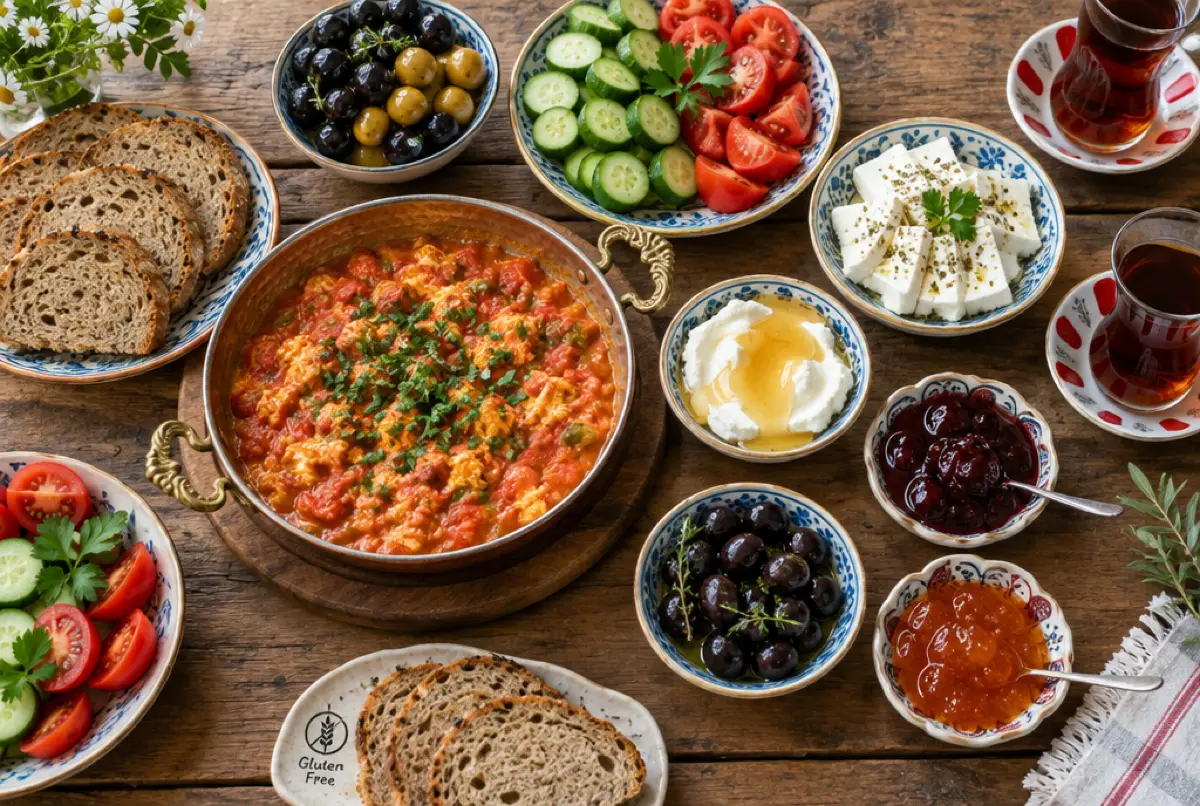
The counter with bread, simit (sesame bread rings), poğaça (soft savoury buns) and börek (filo pastries) is where crumbs are thickest. Salads and cheeses placed near it carry a risk too.
6. Ask about anything fried
Chips are naturally gluten-free, but not if they are fried in the same oil as floured or battered food. If you are not sure there is a separate fryer, avoid fried food.
7. Be careful with sauces, soups and köfte
In Turkish cooking, soups are often thickened with flour, breadcrumbs go into köfte (meatballs), and sauces are thickened with flour or wheat starch. If there is no label, ask. For a detailed list, see our article on hidden gluten in Turkish food.
8. Grills and show-cooking stations
Grilled fish or meat looks gluten-free, but marinated items (with soy sauce) or bread may be cooked on the same grill. Ask for your portion to be cooked on a clean area, on foil.
Desserts, drinks and snacks
9. The dessert buffet is the riskiest area
It is dominated by baklava, kadayıf (shredded pastry desserts), künefe (shredded pastry with melted cheese), cakes and gateaux. If gluten-free desserts are not served separately, covered and labelled, go for the fruit.
10. Watch out for beer and malt drinks
Standard beer is made from barley malt. Some hotels stock gluten-free beer; if not, wine, rakı (aniseed spirit) and distilled spirits are generally safe choices.
11. The snack bar and poolside
Snack bars that open at lunchtime usually serve pizza, burgers and toasties. Ask in advance whether there is a gluten-free alternative; if not, plan to have lunch in the main restaurant.
12. Have a back-up plan
Keep a few packets of gluten-free snacks in your room. If you can’t be sure about a meal, you will have a safe option rather than going hungry.
Safety at the buffet is the sum of the system the hotel has set up and your own care. If either one is missing, the risk goes up.
In Glutensiz Tatil inspections the buffet is scored as a section of its own: separate and covered presentation, separate serving tongs, labelling, and plates prepared separately in the kitchen. You can review all the criteria here.